Deep learning (nnUNet) model for the EPTN contouring guidelines for OARs in neuro-oncology

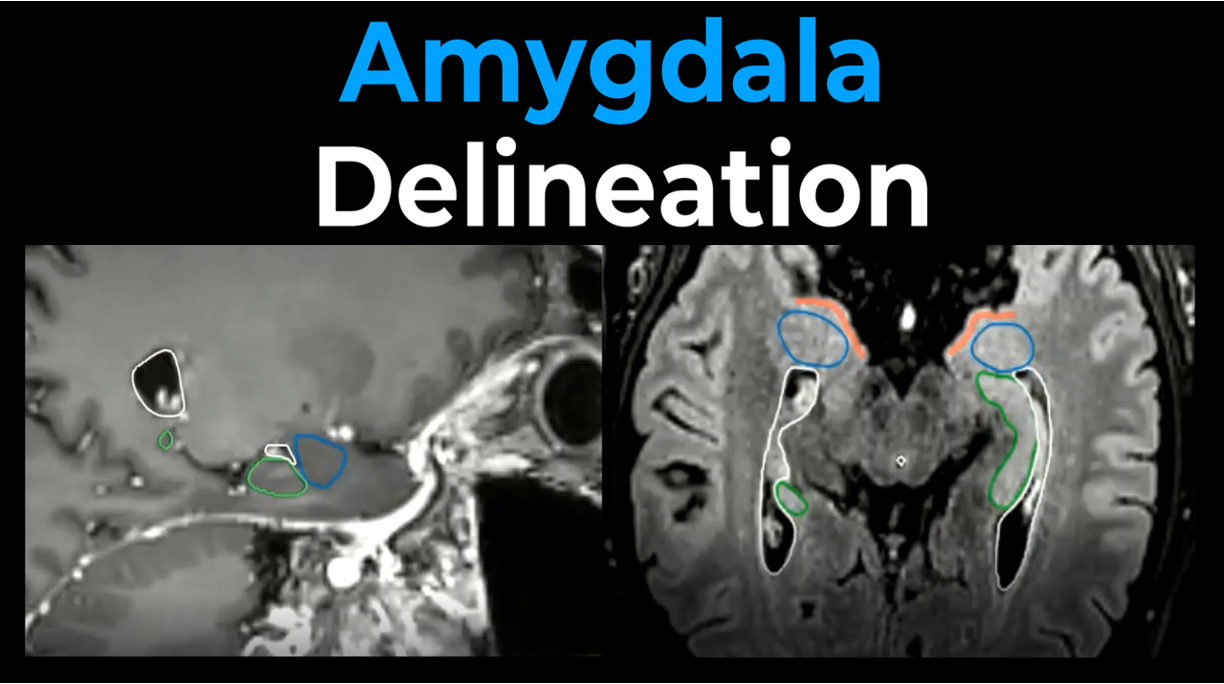
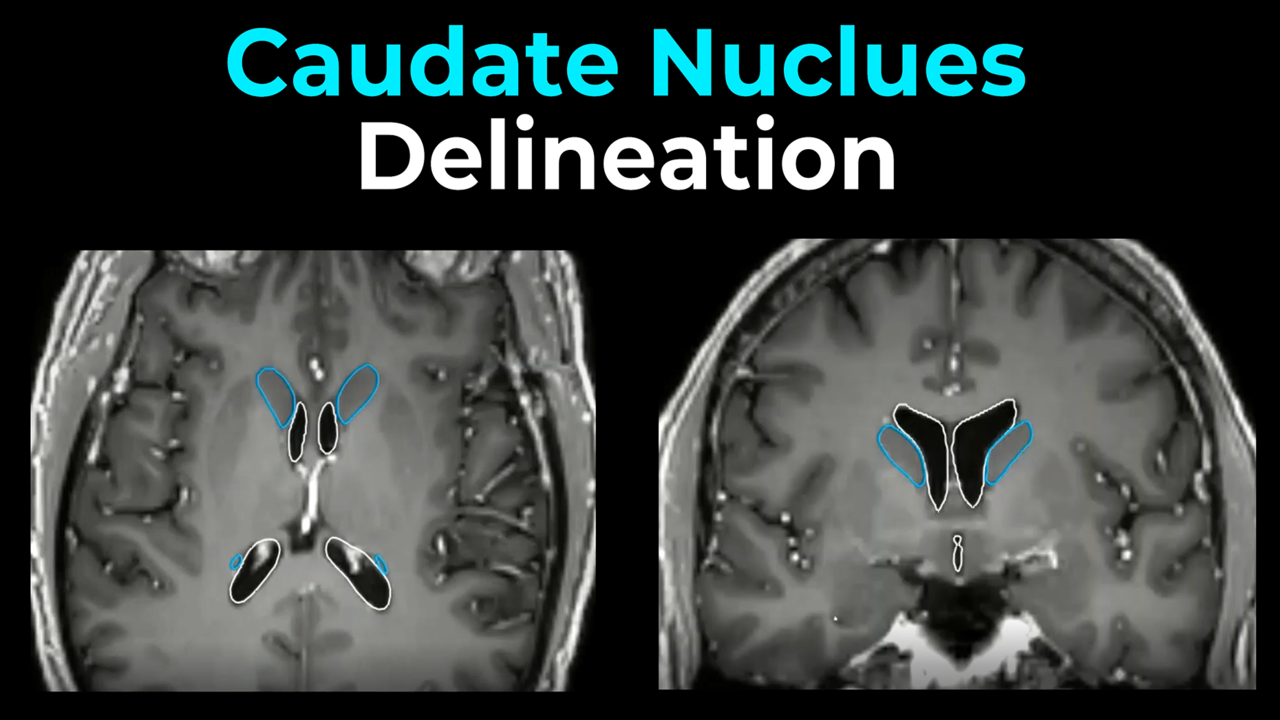
The European Particle Therapy Network (EPTN) has undertaken a major effort to harmonize OAR contouring practices in neuro-oncology. In 2018, EPTN published the first consensus-based guidelines for the delineation of 15 brain OARs (10.17195/candat.2017.08.1), expanded in 2021 to include 10 additional structures (10.17195/candat.2021.02.1). To aid adoption, EPTN also produced explanatory videos (10.17195/candat.2022.02.1), but the broad implementation of these guidelines remains limited due to the complexity and time-consuming contouring. In this context, deep learning (DL) offers a promising solution. Expert-trained DL models can encode complex anatomical knowledge and replicate expert-level contouring.
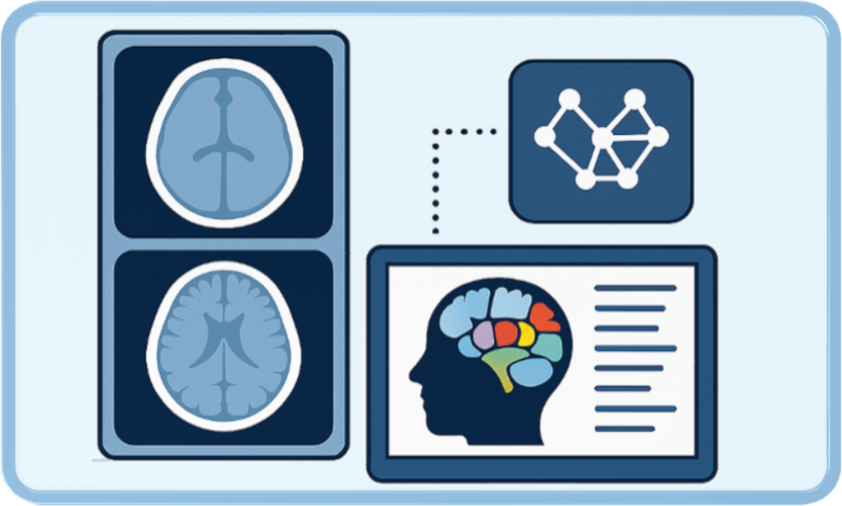
To this end, an nnUNet architecture has been trained and made public here. The model was trained using a 5-fold cross validation on 74 patients treated at Maastro Clinic, contoured according to the EPTN guidelines. The model receives as input a planning CT scan with intravenous iodine contrast, along with 3T MRI scan gadolinium-enhanced T1-weighted sequence. CT and MR image should be rigidly registered. The output of the model are the 25 OARs defined in the EPTN consensus guidelines.
The code to run and pre- / post-process the data from DICOM to nnUNet readable format (nifti) and viceversa is freely available at https://gitlab.com/ai4miro/nnunet_workflow_eptn
Please site as follows:
Ana M. Barragán-Montero, Margerie Huet-Dastarac, Dario di Perri, David Hofstede, Nikolina E Birimac, Benjamin Roberfroid,
Emilien Quéré, John Lee, Wouter Van Elmpt, Danielle BP Eekers, Catharina M.L.Zegers
Deep learning (nnUNet) model for the EPTN contouring guidelines for OARs in neuro-oncology
CancerData, 2025; doi:10.17195/candat.2025.10.1